Yujia Bao
Member of Technical Staff
@thinkingmachines
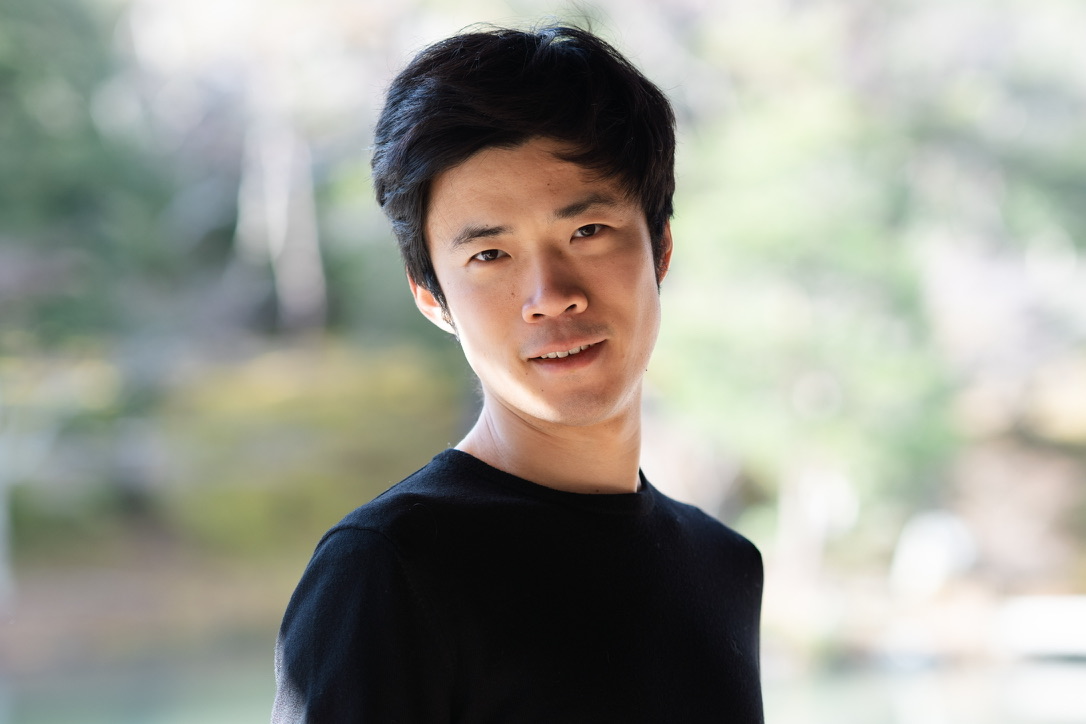
I am a machine learning researcher and a life-long engineer. I love building things—pushing the frontier of AI to make it more useful, safe, and available to everyone.
My recent research spans scalable agent architectures, context management, LLM post-training, and evaluation. I am most excited about research that has direct product impact.
I received my Ph.D. in Computer Science from MIT CSAIL, advised by Regina Barzilay.
Experience & Education
Professional Experience
Member of Technical Staff
Developing SFT and RL recipes for end-to-end post-training. Leading the Tinker Cookbook framework development (top contributor).
Associate Director
Leading a team of 80+ researchers and engineers. Developing AI Refinery, an agentic AI platform for enterprise.
Lead Machine Learning Scientist
Machine learning research for drug discovery and development.
Researcher
Machine learning research on interpretability, transfer learning, and fairness.
Education
Ph.D. in Computer Science
M.A. in Mathematics
B.S. in Mathematics
Recent Work
Tinker: LLM Post-Training Platform
A post-training platform for customizing language models. Developing SFT and RL recipes, evals, and infrastructure, as well as documentation and community.
AI Refinery: Enterprise Agentic Platform
Leading engineering and research for AI Refinery, enabling developers to build and govern complex agentic workflows.
Enterprise LLM Customization
Leading the development of customized LLMs for high-stakes business and media domains.
Publications
See Google Scholar for full list of publications.